
About All Tours Plane Flightseeing ToursFrom Anchorage ToursRailroad ToursFrom Talkeetna ToursATV ToursFrom Fairbanks ToursNature & Wildlife ToursHiking ToursSherp Fat Truck ToursZipline ToursRafting Tours Directions Hours & Fees
Find Tours 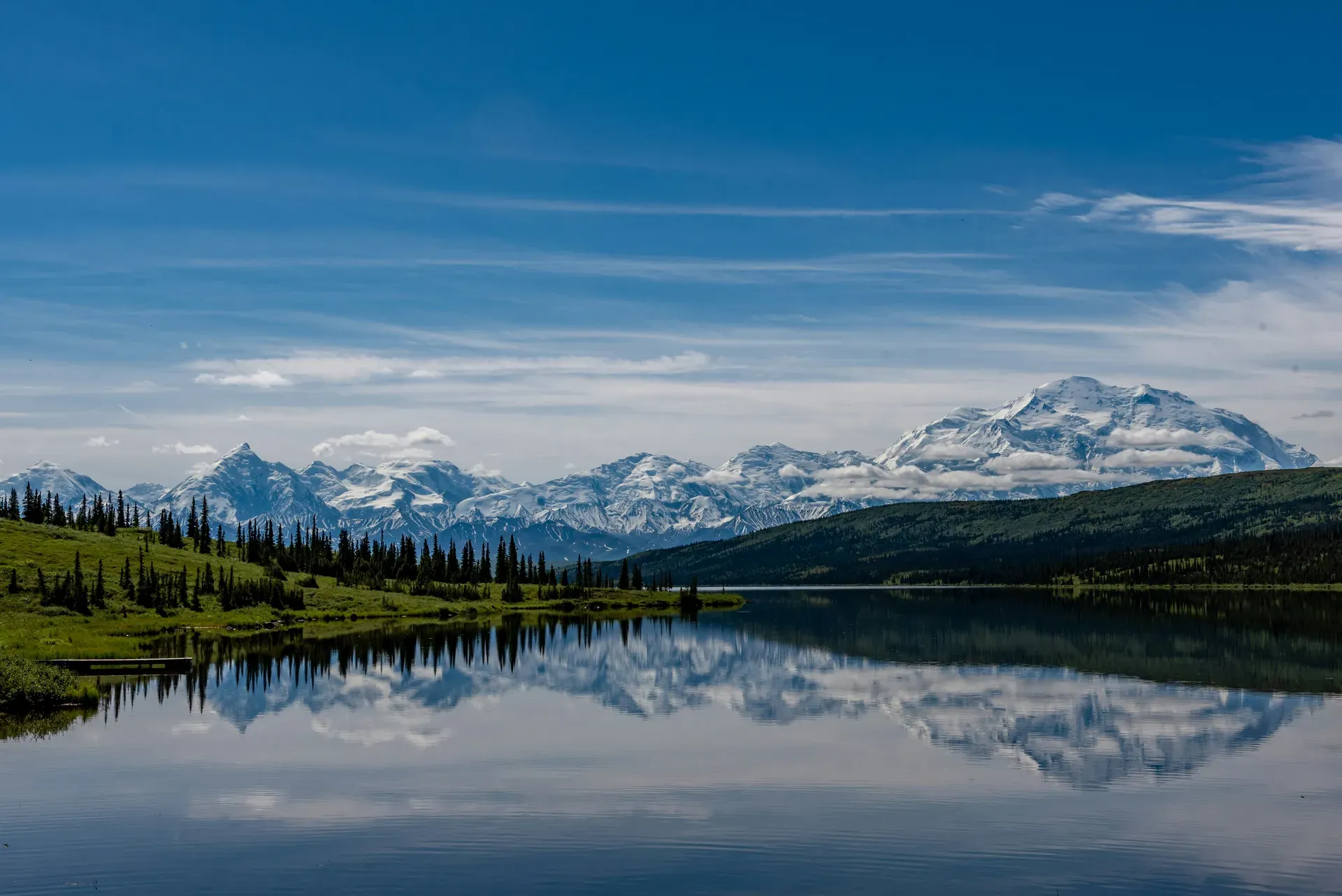
Centered around the 20,310-foot peak of North America's tallest mountain, Denali National Park spans 6 million acres of taiga forests and alpine tundra. A single 92-mile road bisects this vast sub-arctic wilderness, providing access to over 40 named glaciers and roaming grizzly bears, moose, and caribou.
Find Guided ToursDenali National Park and Preserve covers 6 million acres of sub-arctic wilderness in the interior of Alaska. A single 92-mile road bisects the landscape, providing access to an environment that shifts from low-elevation taiga forests to high alpine tundra. At the center stands Denali, the tallest peak in North America. The mountain reaches 20,310 feet above sea level at its South Summit, featuring a massive 18,000-foot vertical relief from base to peak.
Geologically, Denali is part of the Alaska Range. Tectonic plate collisions and continuous uplift along the 1,200-kilometer-long Denali fault formed the mountain approximately 60 million years ago. Today, more than 40 named glaciers, including the Kahiltna, Ruth, and Muldrow, cover its slopes and feed the seasonal rivers that sustain the surrounding sub-arctic ecosystems.
For at least 11,000 years, Indigenous peoples have hunted and lived in this region, leaving behind rich archaeological sites. The Koyukon Athabascans traditionally called the peak 'the high one,' a name reflecting its profound cultural and spiritual importance. British explorer George Vancouver recorded the first European sighting on May 6, 1794. A century later, in 1896, a prospector named the mountain Mount McKinley. After decades of local advocacy, the traditional name Denali was formally restored in 2015.
Congress established the area as a national park in 1917, marking the first time a United States national park was created specifically to protect wildlife. The park was later designated an international biosphere reserve in 1976. It now draws over 600,000 annual visitors and remains a major global destination for climbers attempting to scale one of the world's Seven Summits.
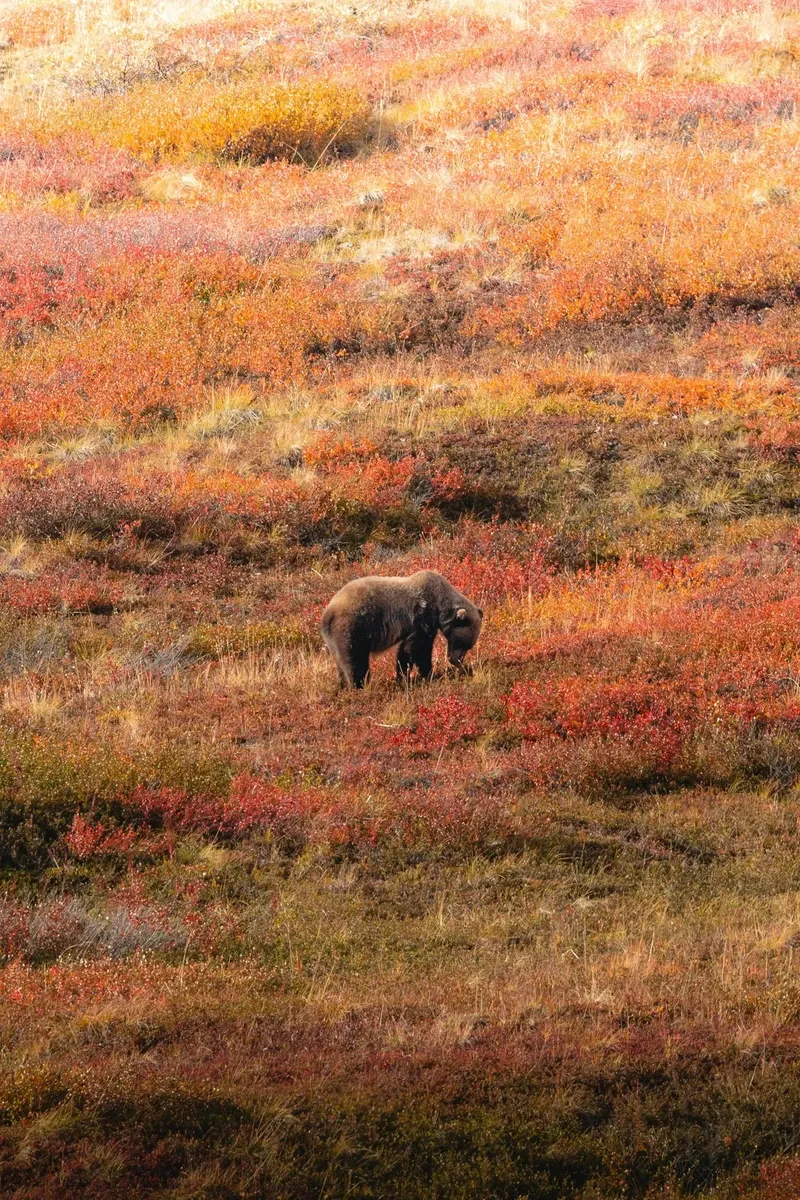
Discover the full history and cultural significance on our About page.
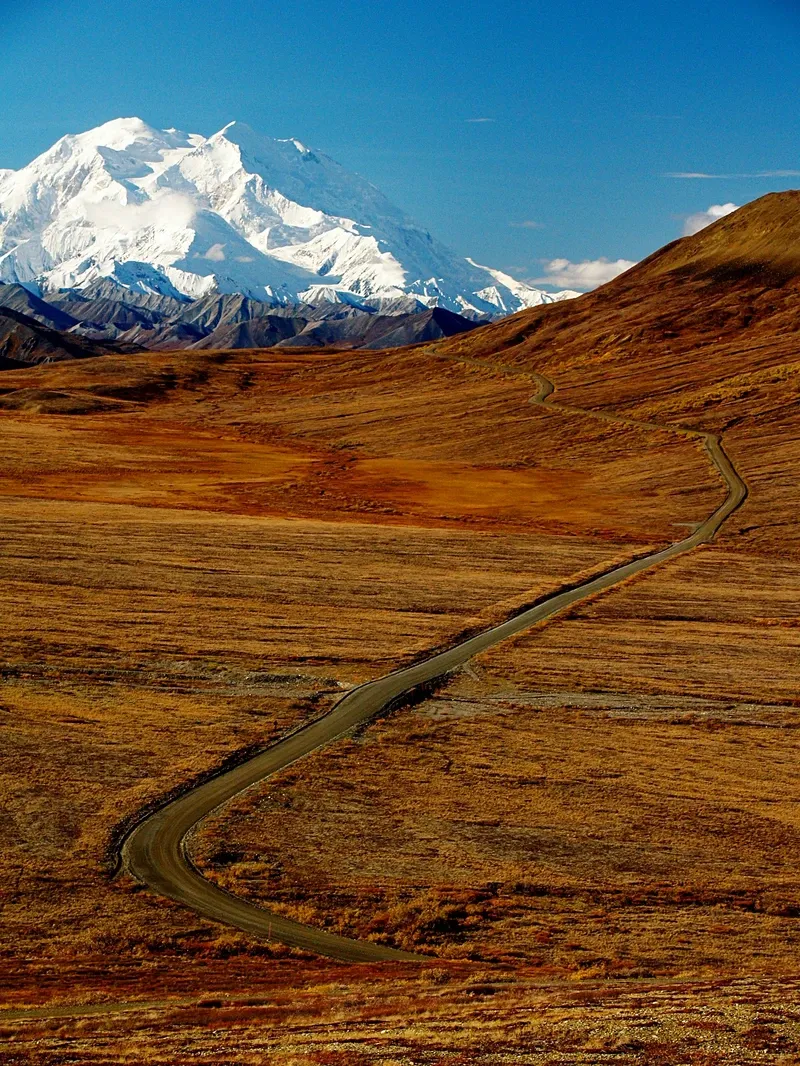
Ride a green transit bus for a 4.5-hour round-trip along the gravel Park Road. The route currently goes to the East Fork River at Mile 43. Passengers can disembark to hike off-trail in the tundra and search for grizzly bears, moose, wolves, Dall sheep, and caribou.
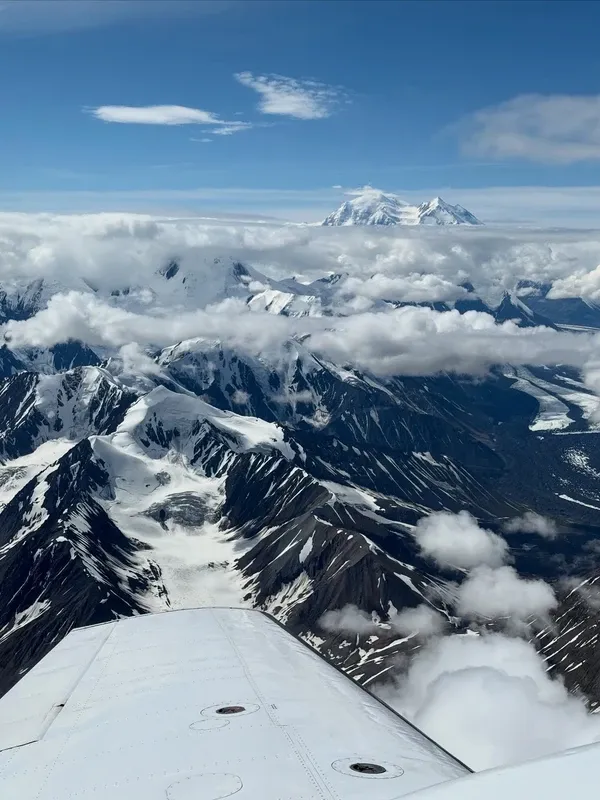
Board a small aircraft or helicopter to fly over the Alaska Range and look down on more than 40 named glaciers. Some tours include a landing directly on the ice. These flights provide massive scale to the 6-million-acre wilderness and Denali's 20,310-foot peak.
Take a free shuttle from the Denali Visitor Center to meet the park's canine rangers at their historic kennels. Watch a live demonstration of Alaskan Huskies pulling a sled. Rangers explain how these working dogs help them patrol the snowy sub-arctic wilderness during the winter.
Drive your private vehicle to Mile 15, the furthest point allowed during summer, or catch the free shuttle running every 30 minutes. Hikers can tackle the strenuous Savage Alpine Trail or walk the Savage River Loop Trail, taking in rugged canyon walls and rushing glacial waters.
Hand-picked tours with free cancellation and verified reviews
 Free Cancellation 2h 30min
  Free Cancellation 1h 30min
  Free Cancellation 3h
  Free Cancellation 3h 30min
  Free Cancellation 3h
  Free Cancellation 3h 30min
  Free Cancellation 3h
  Free Cancellation
 The best time to visit Denali is from late May through mid-September during the park's official summer season. During this window, visitor facilities are fully operational, shuttle buses run along the park road, and wildlife is highly active.
Conditions transition from challenging sub-arctic winter weather with heavy snow in April to the opening of the official summer season and visitor centers in late May.
The park is fully accessible with transit buses operating along the 92-mile road up to Mile 43. Wildlife is highly active, though unpredictable weather means snow can still fall.
Early September features spectacular autumn tundra colors and no mosquitoes. By October, severe winter weather arrives, closing most local hotels and limiting road access to just three miles.
Extreme sub-arctic temperatures, heavy snow, and limited daylight make this the most challenging period. The park road is plowed for only three miles and main visitor facilities are closed.
Denali National Park and Preserve remains open 24 hours a day, year-round, though visitor services vary by season. During the primary summer season from May 20 through mid-September, the main Denali Visitor Center operates daily. In the winter, from late September through early May, operations shift to the Winter Visitor Center located inside the Murie Science and Learning Center at Mile 1.4. This winter facility is open daily from 9:30 am to 5:00 pm, except on major holidays. Additionally, rangers answer phone inquiries daily between 9:00 am and 4:00 pm.
| Category | Price |
|---|---|
| Adult (16 and older, valid for 7 days) | $15.00 |
| Child (15 and under) | Free |
| Standard Entrance (Per Person Alternative) | $20.00 |
| Standard Entrance (Private Vehicle) | $35.00 |
| Standard Entrance (Motorcycle) | $30.00 |
| Denali National Park Annual Pass | $45.00 |
| America the Beautiful Pass Holders | Free |
Holders of valid federal lands passes, such as the Senior or Access Pass, receive free park entry. While day hiking requires no permits, overnight backcountry camping requires a free permit and mandatory registration at the Backcountry Information Center. Visitors planning to ride transit or tour buses must book tickets in advance through the park concessioner.
For complete schedules and ticket prices, visit our Hours & Fees page.
Denali National Park is located in the interior of Alaska, 240 miles north of Anchorage. Visitors can reach the park by driving, taking a train, or riding a scheduled motorcoach along the George Parks Highway.
📍 George Parks Highway (AK Highway 3)
Driving from Anchorage along the George Parks Highway is the quickest and most flexible method to reach the park. This 240-mile route gives you the freedom to make scenic stops along the way. You can detour to historic Talkeetna for lunch. Alternatively, drivers might choose to stay in the quieter town of Healy, located just 11 miles north of the park entrance.
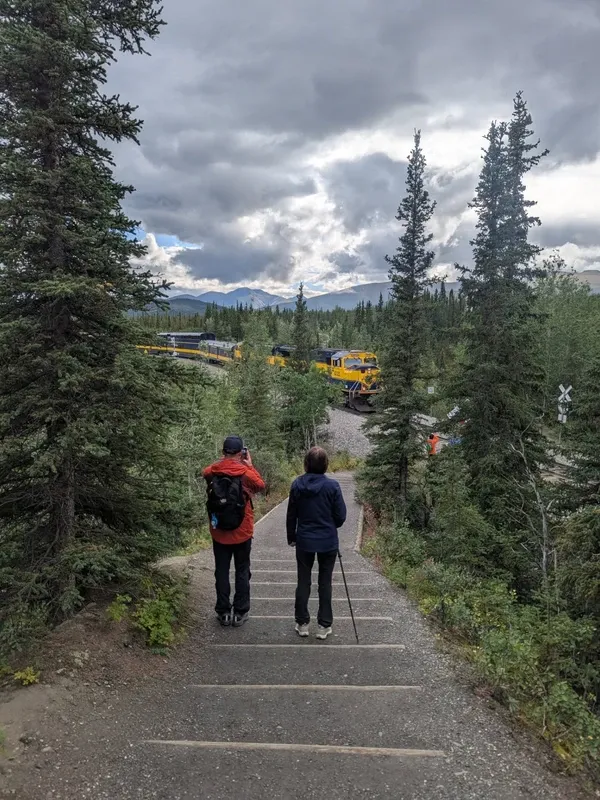
The Alaska Railroad operates the Denali Star Train daily during the summer months. The northbound route departs Anchorage at 8:20 am and arrives directly at the Denali Depot at Mile 1.5. Passengers enjoy onboard dining and spectacular views of Hurricane Gulch. Deluxe dome cars, such as the Wilderness Express, are also available for booking.
The Alaska Park Connection Motorcoach offers regular scheduled summer service connecting Anchorage and the national park. These deluxe motorcoaches provide large picture windows for viewing the Alaskan landscape. Passengers have access to comfortable seating, in-seat power outlets, and an onboard restroom. The drive takes approximately the same amount of time as a private vehicle.
For detailed transport options and routes, visit our Directions page.
The main summer season runs from May 20 through mid-September, and narrated tour buses sell out months in advance. Secure your preferred departure times by booking online at reservedenali.com early. This guarantees your spot on popular routes like the Tundra Wilderness Tour.
Cellular service and internet access disappear entirely just three miles past the park entrance. Prepare for this disconnected wilderness by downloading the NPS app, park maps, and bus schedules to your phone beforehand. Having offline access ensures you can navigate safely and catch your required shuttles.
Federal regulations mandate staying at least 300 yards away from grizzly bears and 25 yards from other animals like moose and caribou. Approaching wildlife is illegal and highly dangerous. Bring binoculars or a powerful telephoto lens to safely observe the park's 37 mammal species from a distance.
The climate across this 6-million-acre wilderness shifts rapidly, and snow can fall even during July and August. Hypothermia is a serious risk for hikers who get wet. Pack a high-quality waterproof rain jacket, warm synthetic layers, gloves, and a winter hat to adjust to sudden temperature drops.
Private vehicles are prohibited past Mile 15 on the Park Road during the summer. However, visitors with severe mobility limitations can bypass this rule. Apply weeks in advance for a special road travel permit to drive your private vehicle deeper into the park.
Denali actively works to reduce landfill waste, making single-use plastic water bottles highly discouraged. Pack a durable, refillable container for your hikes and transit bus rides. You can easily fill up at the Denali Visitor Center or the Denali Bus Depot before heading out.
Run by four-time Iditarod champion Jeff King, this training center provides an insider perspective on Alaskan dog mushing. Visitors hear trail stories and interact with husky puppies.
The Nenana River features rafting options through dramatic glacial landscapes. Options range from gentle float trips on Class I and II rapids to challenging Class III and IV whitewater.
Located away from the crowded park entrance, this small town provides a quiet alternative for lodging and dining. Visitors find year-round accommodations and easy access to local scenic hiking trails.
Read what travelers share about their experience visiting Denali — from practical tips to personal highlights.
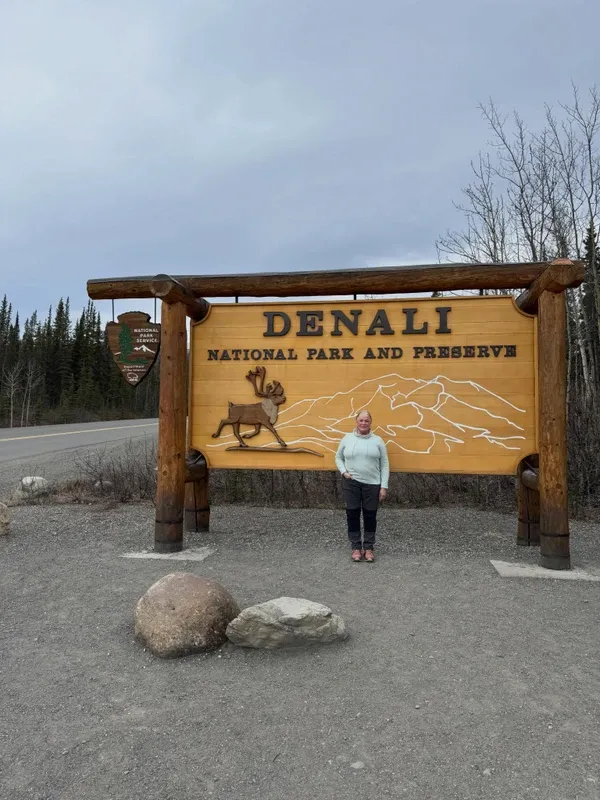
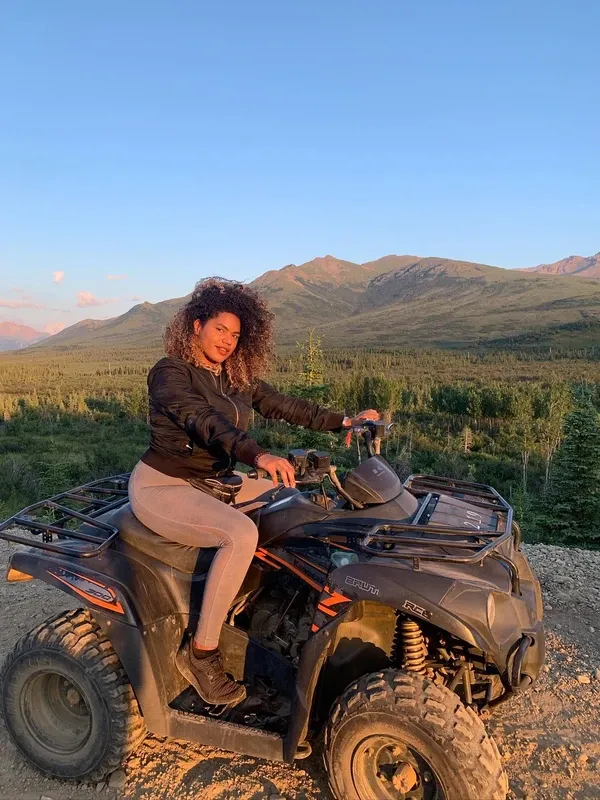
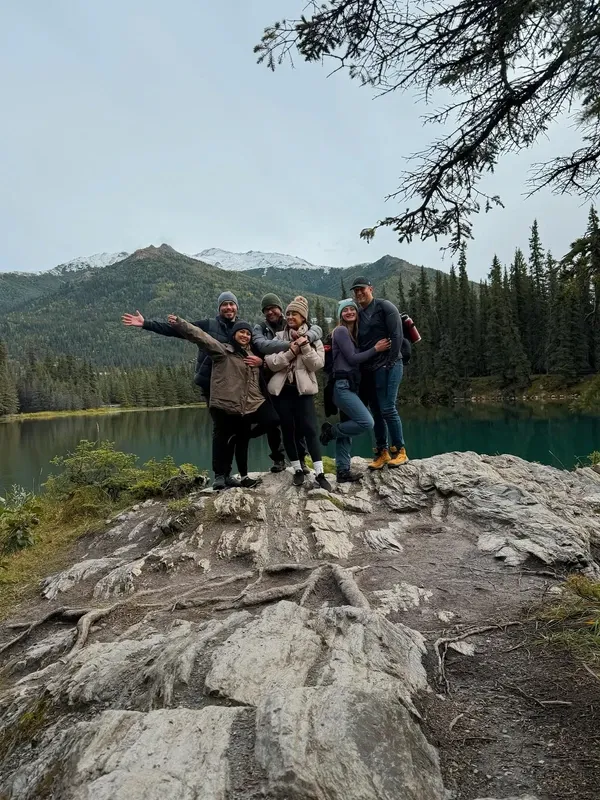
The park charges a $15 entrance fee per adult aged 16 and older, which remains valid for seven days. Children aged 15 and under enter for free. Visitors holding a $45 Denali Annual Pass or an America the Beautiful National Parks Pass do not have to pay this fee.
The prime visiting window is the official summer season from late May through mid-September. During this period, shuttle buses operate regularly on the park road, visitor centers are fully open, and wildlife is highly active. Late August to early September brings autumn colors to the tundra and a drop in the mosquito population.
You can travel the 240 miles from Anchorage to the park by car, train, or bus. Driving along the George Parks Highway takes about five hours and offers the most flexibility, with car rentals starting around $180 per day. The Alaska Railroad Denali Star Train takes eight hours and costs between $135 and $435, while a five-hour motorcoach ride ranges from $75 to $180.
You must pack layers to handle highly unpredictable sub-arctic weather, as snow can fall even in July and August. Essential gear includes a high-quality rain jacket, sturdy broken-in hiking boots, warm insulating layers, a light winter hat, and gloves. The park discourages single-use plastics, so you should also bring a durable, refillable water bottle.
Many main facilities, including the Denali Visitor Center and Denali Bus Depot, feature paved routes, automatic doors, and accessible restrooms. The park's scheduled rest stops are wheelchair-accessible, and transit buses can be equipped with wheelchair lifts if requested in advance. For exploring the outdoors, the Spruce Forest Trail and McKinley Station Trail offer compact gravel surfaces suitable for wheelchairs.
You should reserve transit and tour bus tickets well in advance through the park concessioner at reservedenali.com. Summer buses and local accommodations regularly sell out months before the season begins. Upon arrival, you will pick up your reserved tickets at the Denali Bus Depot.
Independent travelers should plan for a minimum of two to three nights in the area. This timeframe allows for a full-day bus tour into the park interior and time to explore the frontcountry trails. Visitors traveling deep into the park to stay at Kantishna typically book three to four nights.
During the summer season, private vehicles are restricted to the first 15 miles of the 92-mile Denali Park Road. To travel beyond the Savage River Bridge at Mile 15, you must book a ticket on a park transit or tour bus. Visitors with severe mobility limitations can apply weeks in advance for a special permit to drive their own vehicles further into the park.
Browse verified tours with free cancellation and instant confirmation.
Find Tours